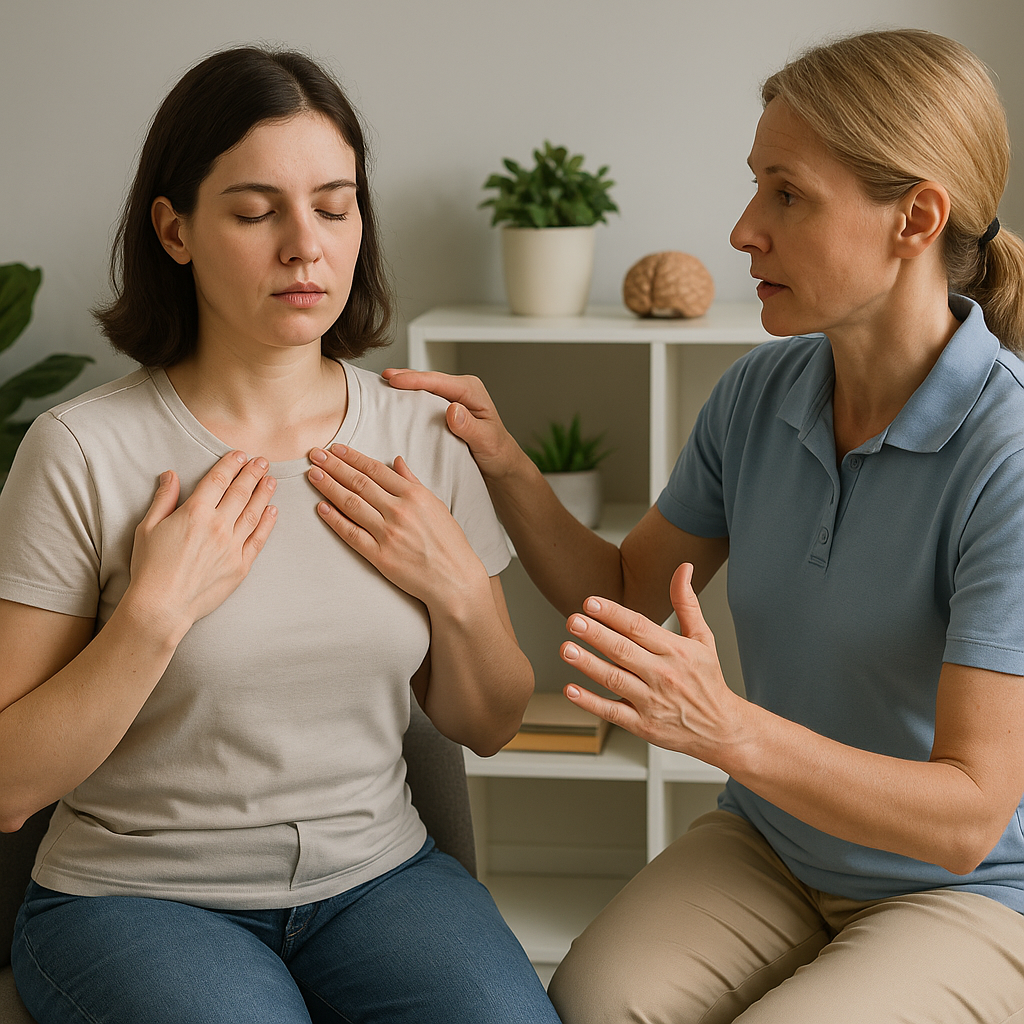
Understanding Polyvagal Physical Therapy: Restoring Health Through Nervous System Regulation
When most people think of physical therapy, they picture strengthening exercises, stretches, and hands-on manual techniques to relieve pain or rebuild movement. But what happens when the body’s pain, stiffness, or dysfunction is rooted in something deeper—like chronic stress, trauma, or a dysregulated nervous system?
That’s where polyvagal-informed physical therapy comes in. One clinic well known for the practice of this is Catherine Lewan Physical Therapy and Wellness.
At the crossroads of neuroscience and rehabilitation, polyvagal physical therapy recognizes the vital connection between the body and the autonomic nervous system. It’s a holistic, evidence-informed approach that helps patients regulate their physiological responses, improve their movement patterns, and return to a state of ease, both physically and emotionally.
This type of guidance can be provided virtually, for the clients ready to rebuild new neural patterns and befriend their body’s wisdom. This guide will help you understand a polyvagal approach to physical symptoms, who it helps, and why it could be the missing link in your recovery.
What Is the Polyvagal Theory?
The Polyvagal Theory, developed by Dr. Stephen Porges, provides a lens through which to view the nervous system. Traditionally, the autonomic nervous system has been divided into two branches: the sympathetic (fight or flight) and parasympathetic (rest and digest). Polyvagal Theory refines this by identifying three states the body can cycle through:
- Ventral Vagal – A state of calm connection, where healing and movement thrive
- Sympathetic Activation – The stress or mobilization state (fight or flight)
- Dorsal Vagal Shutdown – A freeze or collapse response (immobilization, disconnection)
In polyvagal physical therapy, the focus is on bringing the body back to the ventral vagal state, where optimal healing and movement happen. Therapists use body-based techniques to gently support regulation, reduce protective tension patterns, and help patients feel safe in their own bodies again. This allows for a shift of resources to move from crisis management restorative processes that aid in the body’s natural ability to repair and recover.
Why the Nervous System Matters in Physical Therapy
If the body feels unsafe—whether due to past trauma, chronic pain, anxiety, or injury—it often enters a protective state, where muscles brace, breath becomes shallow, and movement becomes restricted. These patterns are subconscious but very real, and they can block traditional rehab from working effectively.
A study in Frontiers in Psychology found that nervous system dysregulation often contributes to persistent pain, fatigue, and limited functional recovery, particularly in patients with trauma histories or stress-related disorders [1].
This is why polyvagal physical therapy is so powerful. It doesn’t just treat the muscle or joint—it works with the nervous system’s role in guarding, tension, and movement dysfunction.
What Makes Polyvagal PT Different?
Polyvagal-informed physical therapy is still grounded in the principles of musculoskeletal rehab—but it goes beyond traditional protocols by:
- Assessing nervous system state alongside physical function
- Incorporating regulation techniques such as breathwork, grounding, and vagal toning
- Slowing down movement to promote safety and awareness
- Reducing “fight or flight” responses that interfere with rehab
- Honoring the mind-body connection in recovery
Physical therapists trained in polyvagal methods often combine this approach with orthopedic, pelvic floor, or neurological specialties—making treatment more effective regardless of diagnosis. It is essential for those who live with complex or chronic conditions, whose hardship may be amplified by injustices such as delayed diagnosis, misdiagnoses, invalidation, gaslighting, and unhelpful treatments that contribute to medical trauma. Trauma accumulated throughout the journey of chronic pain or illness requires nervous system regulation integrated into the therapeutic approach.
Conditions That Benefit From Polyvagal Physical Therapy
This approach is especially helpful for patients whose pain or dysfunction is affected by nervous system sensitivity, emotional regulation, or chronic stress. Common conditions treated include:
- Chronic pain syndromes
- Easy fatigue, especially when upright (orthostatic intolerance)
- Feeling faint when upright or passing out (syncope or vasovagal episodes)
- Trauma or stress-related tension and bracing
- Pelvic floor dysfunction (including pain with insertion, sexual dysfunction, constipation, painful bloating)
- Jaw pain/TMJ dysfunction, headaches, neck and upper back pain
- Hypermobility spectrum disorders/ EDS
- Chronic fatigue or dysautonomia (e.g., POTS)
- Long COVID or post-viral syndromes
- Nervous system dysregulation following injury or surgery
- Heart rate increases and/or shortness of breath with anxiety, stress or upright exertion
- Temperature (heat and/or cold) intolerance
- Poor circulation to hands and/or feet (cold, hot, white, red, blue, purple)
Symptoms of Autonomic Nervous System distress (dysautonomia) are known to begin or worsen after triggering events, such as injuries, surgery, puberty, childbirth, hormonal shifts, viruses, etc. By calming the nervous system, a polyvagal-informed approach helps patients access new movement possibilities and rebuild a sense of trust and safety in their bodies.
What Happens During a Polyvagal PT Session?
A typical polyvagal physical therapy session may begin with individualized autonomic nervous system mapping, where you and your therapist collaborate to identify likely contributors to nervous system dysregulation. You’ll decide together where to strengthen your system for resilience. As the autonomic nervous system is primarily designed for survival, you’ll discuss any possible threats it may perceive and action steps to ensure safety.
From there, treatment may include:
1. Breathwork and Vagal Toning
Therapists guide patients through slow, diaphragmatic breathing, guided visualizations, tapping or electrical stimulation to stimulate the vagus nerve and move into a state of restorative calm.
2. Manual Therapy With a Nervous System Focus
Touch and self-massage techniques are applied with awareness of the patient’s tone, breathing, and comfort level—reducing protective patterns rather than forcing change.
3. Mindful Movement Re-education
Exercises are slowed down, focused on sensation and control rather than repetition. Movement is paired with breath and awareness to restore neuromuscular patterns.
4. Education and Resources
Your therapist may help you identify when you’re entering a fight, flight, or freeze response during sessions—and use embodied resources to gently bring you back to safety.
5. Trauma-Sensitive Environment
Practitioners using this approach are careful to create spaces that reduce overwhelm and honor consent, choice, and emotional pacing.
Patients often leave sessions not just feeling physically better—but emotionally lighter, more grounded, and more aware of their bodies in a positive way.
Why It Works
The brain and body are in constant communication. When the nervous system perceives threat—real or remembered—it limits movement, narrows focus, and creates guarding patterns. These may show up as:
- Chronic jaw clenching
- Shallow breathing
- Pelvic tension
- Headaches and dizziness
- Postural collapse or rigidity
Polyvagal PT helps interrupt these loops by giving the body new inputs: gentle movement, safe touch, and breath that signal “you are safe now.” Over time, this rewires how the nervous system responds to movement, pain, and posture.
Research from The Journal of Bodywork and Movement Therapies supports that vagal regulation techniques improve heart rate variability (HRV), reduce chronic pain, and improve patient outcomes in complex rehab cases [2].
Who Offers Polyvagal Physical Therapy?
There are a growing number of progressive, integrative physical therapists that recognize the importance of nervous system-informed care. Therapists in this field often have training in:
- Polyvagal theory
- Somatic experiencing
- Trauma-informed movement
- Pelvic floor therapy
- Mind-body connection and chronic pain
If you’re seeking polyvagal physical therapy look for providers who offer:
- One-on-one care
- Nervous system and movement integration
- Customized plans based on your pace and needs
- Experience working with both the musculoskeletal and nervous system- promoted in the literature as a biopsychosocial approach to care
This type of therapy is especially suited for people who haven’t responded well to conventional PT or the typical medical model
When to Consider Polyvagal-Informed PT
You might benefit from a polyvagal physical therapy approach if:
- You’ve tried traditional PT but still feel tension, guarding, or pain
- Your pain increases during stress or emotional events
- You experience postural collapse or bracing patterns
- You’re recovering from trauma, PTSD, or chronic illness
- You feel disconnected from your body or movement feels unsafe
- You live with chronic pelvic, facial, or visceral tension
- You want a more whole-person, compassionate therapy experience
Final Thoughts
Healing isn’t just about fixing muscles and joints—it’s about helping the body feel safe, strong, and supported again. Polyvagal physical therapy offers a powerful, research-backed way to address pain and dysfunction from the inside out. Whether you’re dealing with chronic stress, old trauma, or unexplained tension, this approach invites your body to soften, reorganize, and reclaim ease.
A nervous-system aware, trauma-informed, and fully personalized, polyvagal PT may be your next right step. These resources are available, even if you can’t find a local PT who meets your needs. Virtual options are available.
You don’t need to push harder. You just need a safer way forward.
Sources:
[1] Frontiers in Psychology. “The Role of the Autonomic Nervous System in Chronic Pain: A Polyvagal Perspective.” 2020.
[2] Journal of Bodywork and Movement Therapies. “The Vagus Nerve and Manual Therapy: A Review of Effects on Pain and Function.” 2021.
- https://charlestonphysicaltherapy.wordpress.com/
- https://polyvagalpt.wixsite.com/catherine-lewan-phys
- https://ext-6787340.livejournal.com/1041.html
- https://ext-6787340.livejournal.com/969.html
- https://ext-6787340.livejournal.com/547.html
- https://ext-6787340.livejournal.com/472.html
- https://medium.com/@polyvagalpt/personalized-physical-therapy-is-the-way-to-go-reclaim-your-body-200750a1f7a9
- https://medium.com/@polyvagalpt/chronic-pain-treatment-with-a-pt-bd21d6f303f8
- https://medium.com/@polyvagalpt/charleston-pt-pelvic-health-a794f61759cd
- https://medium.com/@polyvagalpt/the-great-benefits-of-physical-therapy-12583623bd0d